3rd Cold Energy Education Session: why we bring engineers together
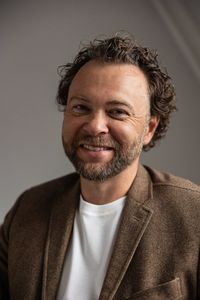
founder and CEO of Cold Energy (NCT)
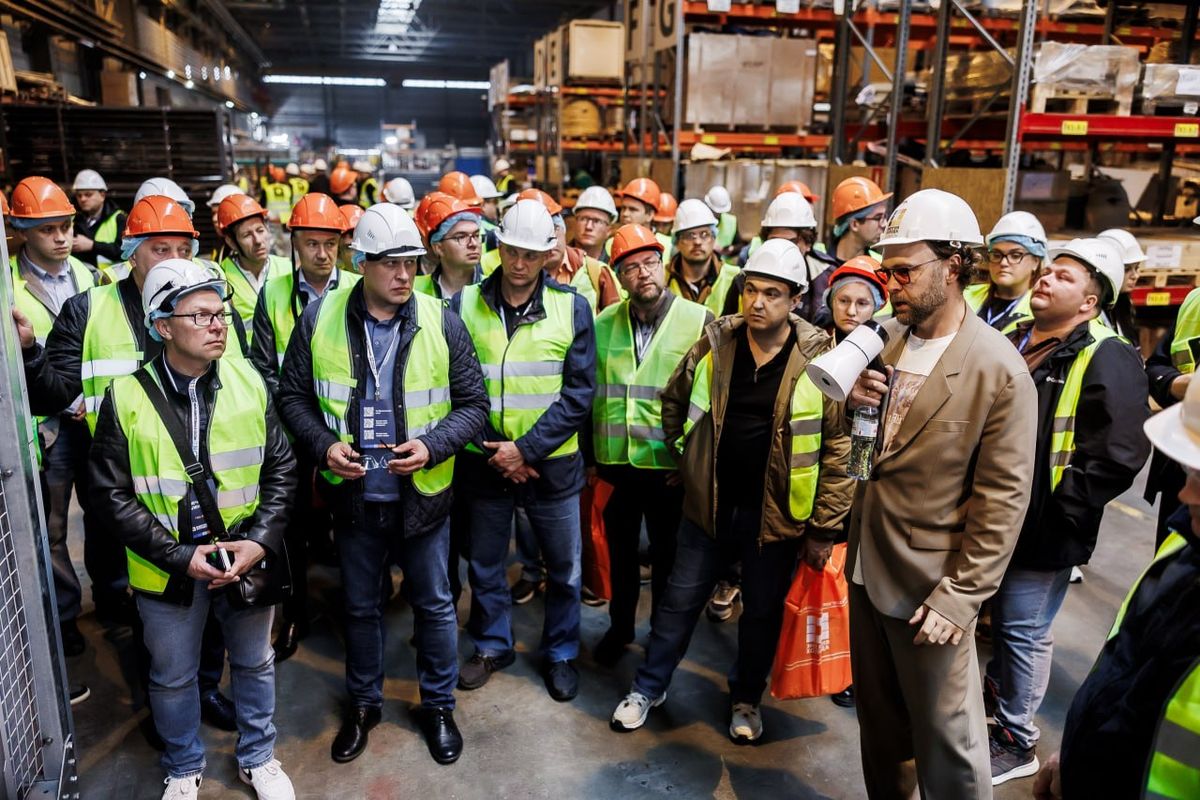
On October 2 in St. Petersburg we held the 3rd Cold Energy Education Session. This year more than 65 specialists came from Russia, Belarus and Kazakhstan. That matters to me: the session is gradually turning from an internal company event into a proper professional platform where people can talk openly about real industrial cooling problems, share experience and discuss solutions that already work at operating plants.
When we first launched the format, I wanted to get away from the usual equipment presentation. I think engineers get far more out of discussing real projects than catalog specifications: what the inputs were, which constraints the team ran into, why a particular layout was chosen and what result it delivered. We built this year's program on the same principle.
We talked about more than equipment
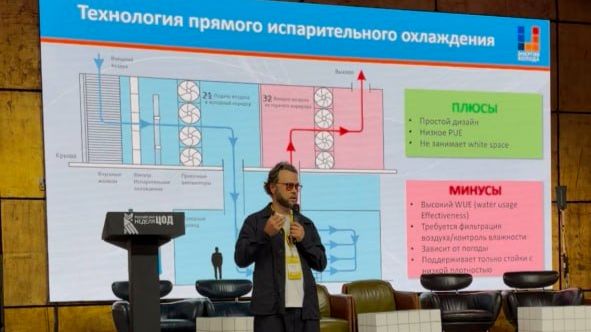
I opened the first part of the session with where Cold Energy stands today, how our manufacturing is developing and what we are aiming for next. More important, though, was to show the work of the different teams inside the company. We walked through several industrial projects with NCT cooling towers and discussed why a cooling tower cannot be treated separately from the plant's process. We covered adiabatic cooling and the option of bringing the air temperature down further, to 15 °C. We showed how the NCT cooling equipment range is growing: chillers, dry coolers, condensers and additional engineering options.
A separate block was devoted to absorption chillers. For plants that have steam, hot water or another available heat source, an absorption chiller can be a completely different way of producing cooling — especially when the site is short of electrical capacity.
Another important topic was delivering a complex project with single-point responsibility for the result. As projects grow, we see more and more often that the customer does not need a set of equipment from different suppliers but a whole working system: design, supply, installation, commissioning and ongoing service.
Projects that change the company
I called my second talk «Engineering challenge: projects that changed us». I think it is worth stopping now and then to look not only at a successful result but at what a particular project taught the team. Over the years we have faced very different tasks: tight temperature regimes, limits on electric power, upgrades without a long production shutdown, non-standard requirements for equipment layout and operation.
These are the projects that make a company grow fastest. Sometimes a difficult site leads to a new technical solution. Sometimes our design approach changes. Sometimes we realize that a particular equipment assembly has to be completely redesigned. So for us engineering experience is more than a portfolio of completed sites. It is the basis for the next generation of equipment.
After the talks — to the plant
After the business part we went to our plant in Sertolovo. For me a plant tour is a must at events like this. You can talk about your own manufacturing on slides for a long time, but it is much more interesting to walk through the shops, see equipment being assembled and talk directly to the engineers and production staff. Participants saw how NCT cooling equipment is made, looked closely at individual assemblies and asked their questions not in a conference room but right next to the equipment. That is often where the most interesting technical discussions start.
Why we do all this
After the event I received feedback from several participants. Some wrote that the session helped them understand industrial cooling processes more deeply and answered questions that had come up while operating their cooling towers. Others singled out the real case studies and the organization. One participant gave the event «10 out of 10» and wrote that he had already told his colleagues about it.
For me that is probably one of the best indicators. Our aim is not an event where we spend several hours explaining how good we are. I am much more interested in creating an environment where engineers can share experience, argue, ask hard questions and leave with new ideas. If someone goes back to their plant after the meeting and discusses what they heard with colleagues, the format works.
Thank you to everyone who came to St. Petersburg, took part in the discussions, asked questions and shared their experience. The 3rd Education Session is over. We are starting to prepare the next one.